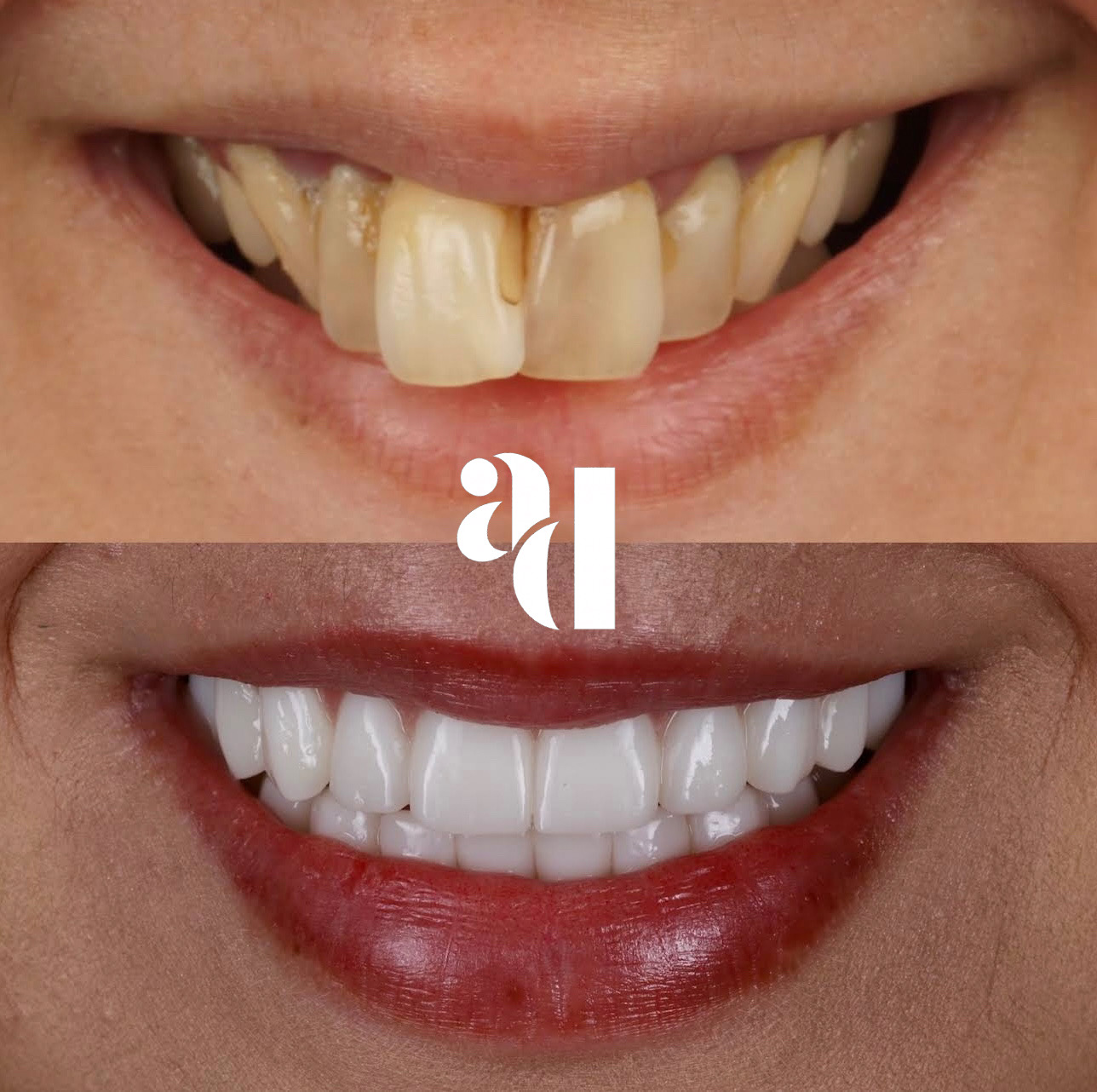
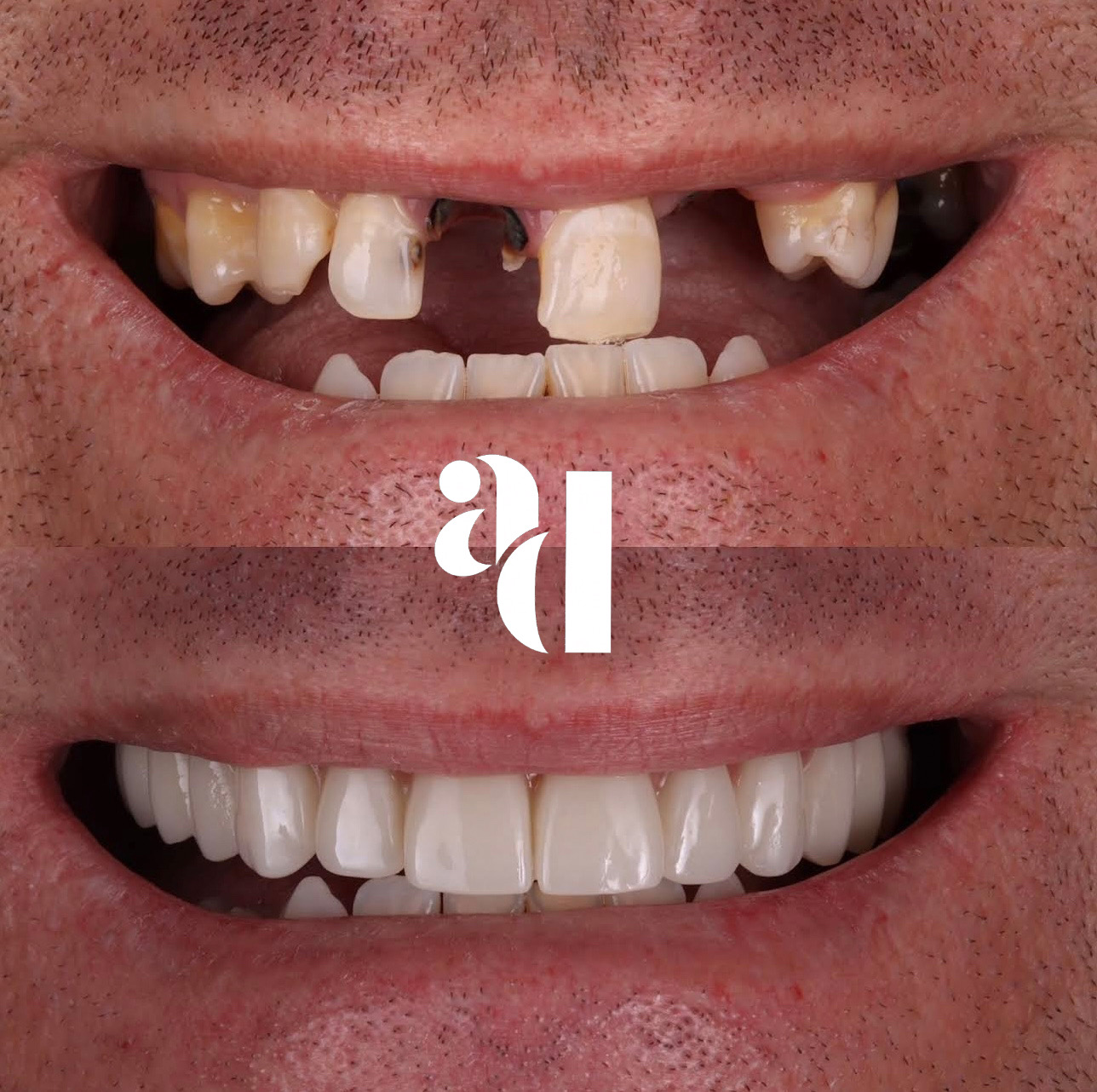
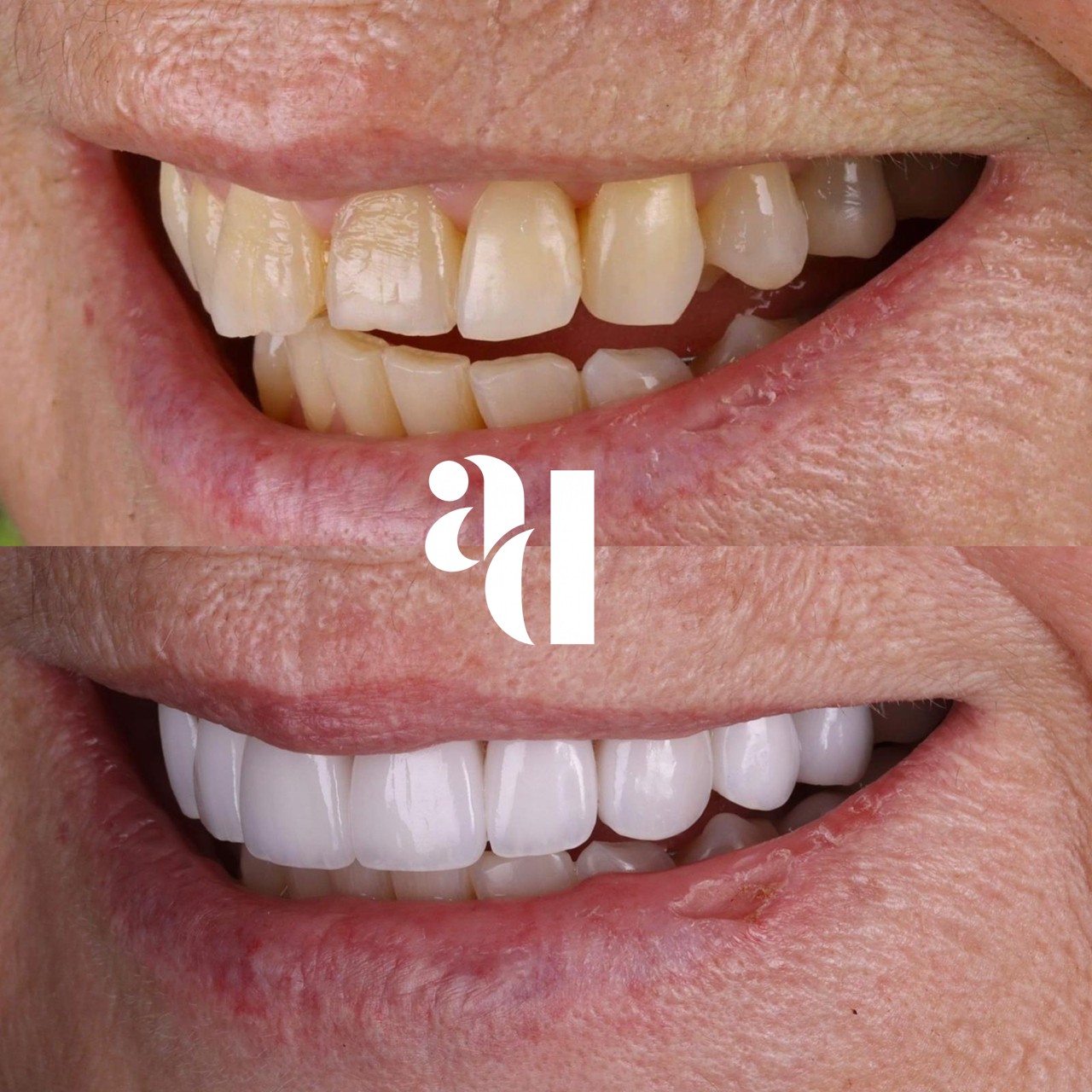
Zirconia offers a strong tooth restoration option that looks like real teeth and is completely metal free. It replaces not just the visible top of your tooth but the root beneath it too. This means a natural looking appearance from top to bottom—or crown to root.
At Avira Dental, help you weigh up whether this metal-free option is the right fit for you, with honest guidance every step of the way.

In prosthodontics, zirconia implants are crafted with zirconium oxide (ZrO₂), which is a high-strength ceramic material.
Zirconia naturally has a tooth-like appearance as a material. It also has the characteristics needed of ideal implant material: it is strong, does not corrode or leak toxic materials, and has shown to be highly unlikely to cause any negative reactions.
This includes zirconia’s excellent osseointegration: this term describes how well something inserted into living bone tissue can permanently fuse with the surrounding tissue. Zirconia implants are able to achieve osseointegration at a rate comparable to titanium, making zirconia not just an aesthetic but a stable implant choice.

Zirconia implants offer a new and alternate option to titanium in prosthodontics that has been growing in popularity. Both for individuals with metal sensitivities, and those after a more discreet option that hides obvious signs of dental work.
A zirconia implant has no sign of grey shadow at the gums that traditional titanium implants can cast when the patient has thin or translucent gums.
The natural opaque or translucent white of zirconia provides a more tooth-like appearance. With pure or layered translucent zirconia, implant dentists can create a highly personalised tooth replacement that matches the colour and appearance of a patient’s real teeth.

Titanium is the most popular implant option today worldwide, and for good reason: it's been the gold standard for decades and has the longest track record of any implant material. Zirconia is the newer, metal-free option, and for the right patient it's an excellent fit.
Both are biocompatible, both are corrosion resistant, and both fuse with the jawbone (osseointegration), so the choice often comes down to preferences of the patient.
This is what you need to know about how each type of implant stacks up against each other:
Metal content.
Titanium contains metal. Most people tolerate it fine, but it isn't ideal if you have a metal allergy or sensitivity. Zirconia is completely metal-free, which removes that concern entirely.
Appearance.
Titanium's grey post can show as a faint shadow through thin or receding gums. Zirconia is naturally tooth-coloured, so it blends in even in the gums, making it the stronger choice for front teeth. Toward the back, where teeth are harder to see, that advantage matters less and titanium is often the more practical and affordable option.
Plaque and gum health.
Zirconia's smooth ceramic surface may help resist plaque build-up, which can support the gum tissue around the implant. Titanium stays just as clean with consistent brushing, flossing, and regular professional cleans.
Track record.
Titanium has decades of long-term data, so we know how it performs over twenty or thirty years. Zirconia's early results are promising but haven't been studied long enough to confirm its very long-term performance.
Strength.
Titanium resists fracture and flexes slightly under load, so it handles strong bite forces well. Zirconia is strong but more brittle, making it a little more likely to crack under heavy pressure, which is worth weighing for back teeth, a powerful bite, or a grinding habit. In the case a zirconia implant breaks, it cannot be repaired and instead needs to be fully replaced.
Design and flexibility.
Titanium comes in a wider range of sizes and components and is often made in two pieces, giving us more room to fine-tune the fit in complex cases. Zirconia has a more limited range and is frequently a single piece, so there's less flexibility once it's placed.
Cost.
Zirconia typically costs more than titanium. The final figure for either depends on your case and whether you need extra procedures like bone grafting.
If you need help deciding, a great way is through a consultation, where we take the time to understand your needs before recommending the path that genuinely suits you.
Zirconia comes in a few different forms, which allows us to match the material to what your smile needs in each position. There are three types we can use in a zirconia implant:
Translucent zirconia. Translucent zirconia allows light to pass through it in a way similar to natural tooth enamel, giving the most lifelike result of the three. It is slightly less strong than the monolithic option, but still highly durable, which makes it a popular choice for visible front teeth where appearance matters most.
Layered zirconia. This is a strong zirconia core with porcelain or ceramic layered over the surface. It combines the structural strength of zirconia with a natural-looking finish, and those added layers allow us to fine-tune the colour and translucency to match the teeth around it.
Pure (monolithic) zirconia. This is the strongest of the three materials. The trade-off is a more opaque, slightly less natural appearance, so it tends to suit positions where strength is the priority over looks.
Which type is right for you depends on where the implant sits and the demands placed on it, and it's something we'll talk through with you at your consultation.
One-piece zirconia implants
Zirconia dental implants are typically one-piece (the implant root and abutment are joined together). This design typically requires fewer surgeries, in some cases patients may need only one surgery to install the implant. The dental crown, the part that looks like a tooth, is usually still placed later once osseointegration is complete. One-piece zirconia implants are harder to position; as it is a single piece, there is no ability to adjust the abutment (where the crown sits) later after the placement.
Two-piece zirconia implants
Zirconia two-piece implants also exist, which has a separate implant root and abutment. This design gives the practitioner more control over the process.
Most adults missing one or more teeth can be considered for implants, but a few factors help determine whether zirconia is right for you. Zirconia implants rely on osseointegration, the natural process where bone bonds to the implant post over time, so a healthy foundation matters.
If you've experienced bone loss, you don't need to rule yourself out just yet. A bone graft may be worth discussing as an option to help rebuild support before an implant is placed. The only way to know for certain is a consultation and a 3D scan, where we assess your bone, gums, and overall health together.

A consultation is where everything starts, with no pressure to commit on the day. It's a chance for us to understand your situation, and for you to ask questions and decide whether implants feel right for you.
We'll talk through your goals and concerns and review your medical and dental history, then examine your mouth and take a 3D scan of your jaw. The scan is what turns a general chat into a plan specific to you, showing whether your bone can give a zirconia implant the stable foundation it needs. If it reveals bone loss, this is where we'd discuss whether a bone graft is worth considering, rather than ruling anything out.
With the full picture, we'll talk you through your options honestly: whether zirconia suits your case or titanium would serve you better, what the process involves, how long it takes, and what it's likely to cost. If extra steps like a graft are needed, we'll be upfront about how they affect the timeline and the figure, so there are no surprises later.
You won't be asked to decide in the chair. We'll give you the information and the space to take it in. When you're ready, we'll be here to take the next step.
Have a question before you book? Call our friendly team on 02 9140 0181.


It's normal to notice some soreness, puffiness, or sensitivity in the days after your procedure while your body works to recover. Your dentist will give you guidance tailored to your case, but these general tips often apply:

Everyone recovers at their own pace. Should anything worry you as you heal, reach out to our team and we'll be glad to help.
Disclaimer: The material posted is for informational purposes only and is not intended to substitute for professional medical advice, diagnosis or treatment. Results vary with each patient. Any dental procedure carries risks and benefits. If you have any specific questions about any dental and/or medical matter, you should consult your dentist, physician or other professional healthcare providers.
Zirconia is a strong ceramic, but it is more brittle than titanium and can fracture under significant force. If a fracture does occur, the implant typically cannot be repaired and will need to be replaced. This is something your dentist will discuss openly with you at consultation, particularly if you have high bite forces or a history of grinding. Being informed of this upfront is part of how we help you choose the option that genuinely suits your situation.
It can be. An opaque-white zirconia implant provides a strong option for back teeth. However, titanium is often the more practical choice further back in the mouth as these teeth aren't very visible, zirconia's cosmetic advantage matters less. Titanium's flexibility under bite force and cost-effectiveness makes it a great application for tooth restoration here.
Bone grafting is a procedure that helps rebuild jawbone density where it's needed, giving an implant a stronger foundation. Not everyone needs one. It's typically discussed only if your 3D scan shows insufficient bone to support the implant.
As with any implant surgery, some soreness, swelling, or sensitivity is normal afterward. Your dentist will provide guidance and pain relief recommendations suited to your case to help keep you comfortable while you heal.