
A damaged or missing tooth does more than affect how your smile looks. It changes how you chew, how you speak, and over time, how the surrounding teeth behave. Dental crowns and bridges are two of the most reliable tooth restoration solutions available, and at Avira Dental in Penrith, they are part of our core restorative offering.
Whether you are dealing with a severely compromised tooth that still has its root, or a gap left behind by a missing one, there is a well-established path forward. The right solution depends on your specific situation, and our team will walk you through it clearly from the very first appointment.

A dental crown is a custom-made cap that fits over an existing tooth or a dental implant. It fully encases the visible portion of the tooth above the gum line, restoring its shape, size, strength, and appearance. Crowns are used across a wide range of clinical situations, from protecting a tooth weakened by decay or a large filling, to completing a root canal treatment, to improving the look of a discoloured or misshapen tooth.
A dental bridge, by contrast, is used to replace one or more missing teeth. It consists of one or more artificial teeth, known as pontics, held in place by dental crowns cemented onto the natural teeth on either side of the gap. The result is a fixed, non-removable dental prosthetic that restores the function and appearance of the missing tooth without the need for surgery.
Both are classified as fixed dental restorations, meaning they are permanently bonded in place and treated much like natural teeth in everyday life.
The dental crown procedure typically requires two appointments. At the first, the tooth is prepared by removing a small amount of structure from all surfaces to create space for the crown. An impression or digital scan is then taken and sent to a dental laboratory, where your crown is custom-fabricated to precise specifications. A temporary crown is placed to protect the tooth in the interim.
At the second appointment, the temporary is removed, the fit and appearance of the permanent crown are assessed, and it is cemented into place. The process for a dental bridge follows the same general path, with the adjacent teeth prepared as abutments to support the bridge structure across the gap.
Crown and bridge restorations are available in several materials, including porcelain, zirconia, and porcelain-fused-to-metal. The most appropriate material depends on the location of the tooth, the bite forces involved, and the aesthetic outcome you are looking for. Our team will discuss the options and trade-offs with you at your consultation.
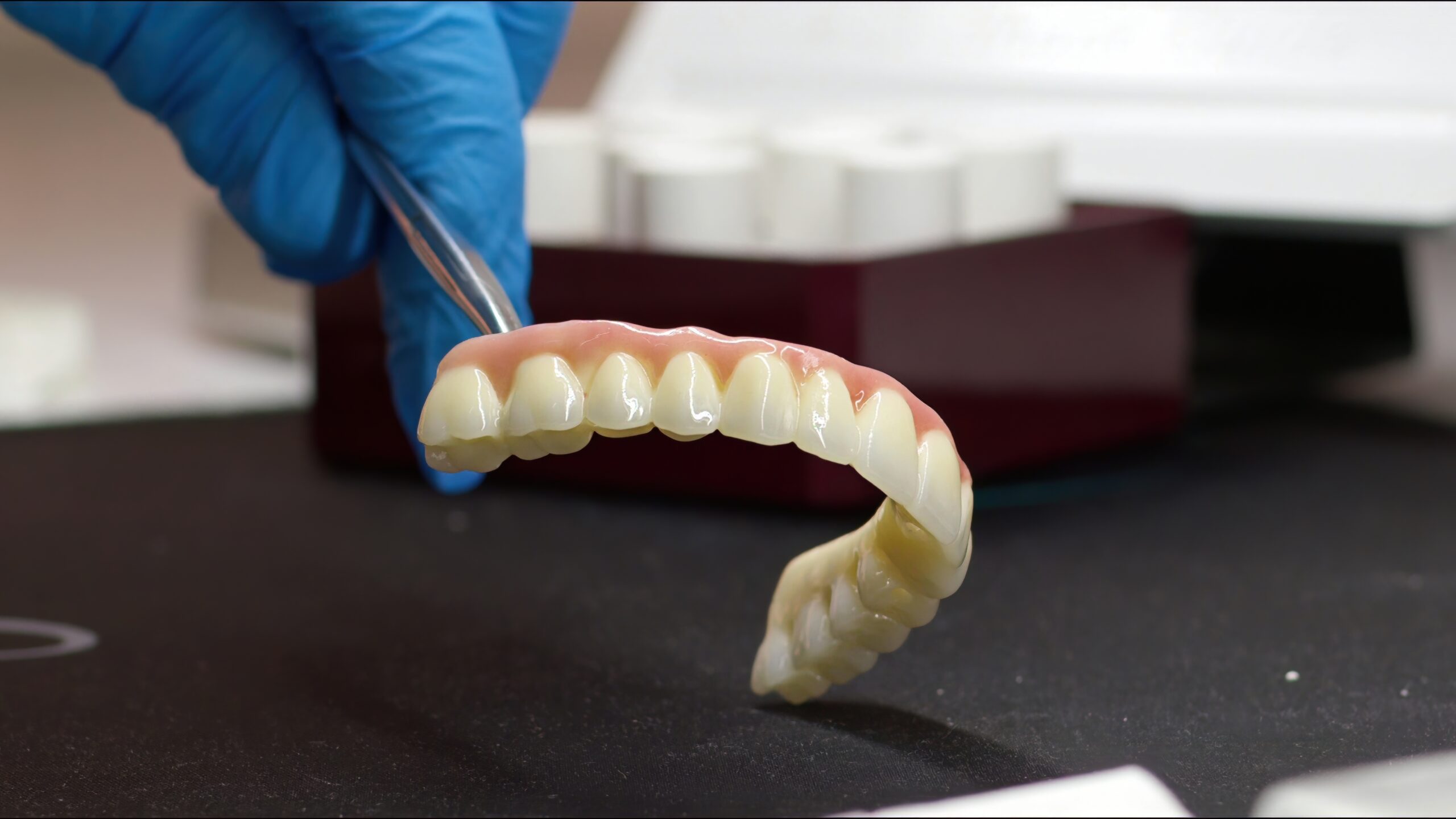
When it comes to tooth replacement, patients are often weighing up a dental bridge against a dental implant. Both are valid options, and the right choice depends on clinical factors, personal preferences, and longer-term goals.
A dental bridge is a well-established, non-surgical form of oral rehabilitation. It does not require bone grafting or implant surgery, treatment is typically completed in two visits, and it tends to involve a lower upfront cost. The main consideration is that the adjacent teeth need to be prepared, which involves removing some healthy tooth structure to create the abutment crowns.
A dental implant replaces the root as well as the crown, which supports long-term jawbone preservation. It does not involve the adjacent teeth, and the implant itself can last many decades with appropriate care. The trade-off is a longer treatment timeline and a surgical component that is not suitable for every patient.
Neither option is universally better. Our team will assess your bone structure, gum health, the condition of adjacent teeth, and your overall goals to help you understand which approach is most appropriate in your case.
Dental crowns and bridges are among the most versatile restorations in dentistry. They address a wide range of clinical needs and suit a broad patient population. A thorough examination is always the definitive way to confirm suitability, but the following are common indicators.
You may be a suitable candidate for a dental crown if you:
You may be a suitable candidate for a dental bridge if you:
Have questions about which option is right for your situation? Our team is happy to help. Book a consultation here or call us at 02 9140 0181.
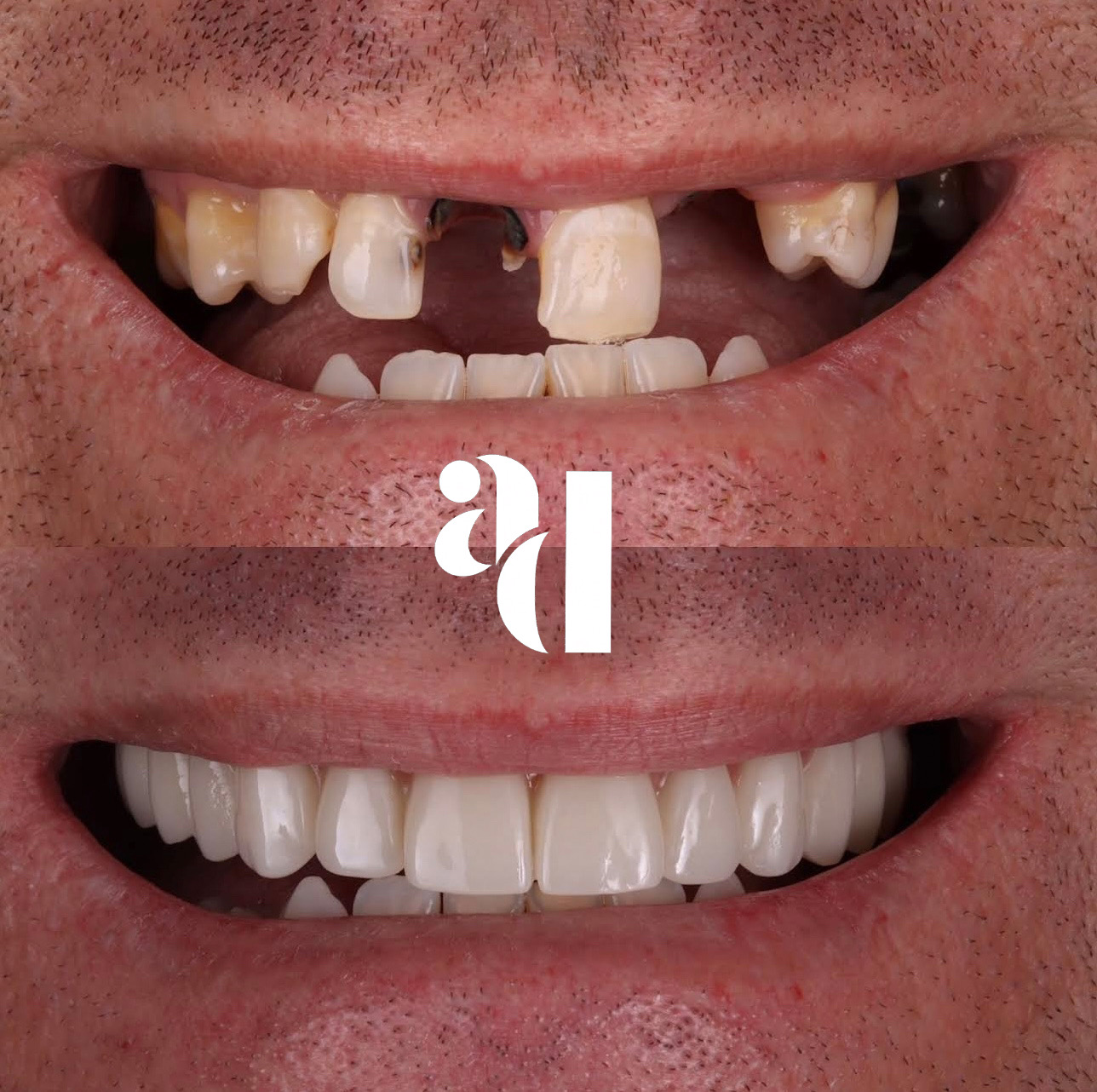
Our approach to dental crown bridge treatment is thorough, unhurried, and fully explained at every stage. Here is what to expect when you come to Avira Dental.
Every crown and bridge case begins with a comprehensive dental examination, including digital X-rays and, where appropriate, 3D CBCT imaging. This gives us a detailed view of the tooth structure, root health, bone levels, and bite relationship. From this we can confirm the diagnosis, discuss your options, and develop a clear treatment plan before anything else happens.
We discuss the most appropriate restoration material for your specific situation. Zirconia is popular for its combination of strength and natural appearance. Porcelain-fused-to-metal offers durability in high-load areas. We explain the differences, what each involves, and which is best suited to the location and function of the affected tooth, so you can make an informed decision.
The tooth or teeth being restored are prepared under local anaesthesia. For a crown, this involves shaping the tooth to accommodate the cap. For a bridge, the abutment teeth on either side of the gap are prepared in the same way. A digital impression or physical mould is taken immediately after, providing the laboratory with the precise specifications needed to fabricate your restoration.
A temporary crown or bridge is placed to protect the prepared teeth while the permanent restoration is being made. This keeps the area functional and comfortable during the laboratory phase, which typically takes one to two weeks. We provide guidance on what to avoid eating or doing during this period.
When the permanent restoration is ready, the temporary is removed and the fit, bite, and appearance of the new crown or bridge are carefully assessed before cementation. We make any necessary adjustments at this stage to ensure the restoration feels natural and functions correctly. Once confirmed, it is permanently bonded into place.
We schedule a review appointment to confirm the restoration is settling well and that your bite feels comfortable. This is also an opportunity to address any questions and to provide guidance on caring for your new crown or bridge long term.
Understanding the dental crown procedure and what bridges involve before you arrive at your appointment makes the whole experience more straightforward. Here is a practical overview of what patients commonly want to know.
Crowns and bridges are fixed restorations, meaning they are not removed for cleaning. You brush and floss them as you would natural teeth, with the addition of specific care around the bridge area, where flossing under the pontic is important for gum health. Our team will demonstrate the correct technique at your fitting appointment.
With appropriate care, a well-made dental crown can last ten to fifteen years or longer. Bridges typically have a similar lifespan. The longevity of any dental prosthetic depends heavily on oral hygiene habits, diet, and whether you grind your teeth. We take all of these factors into account during the treatment planning stage.
To support the longevity of your restoration:
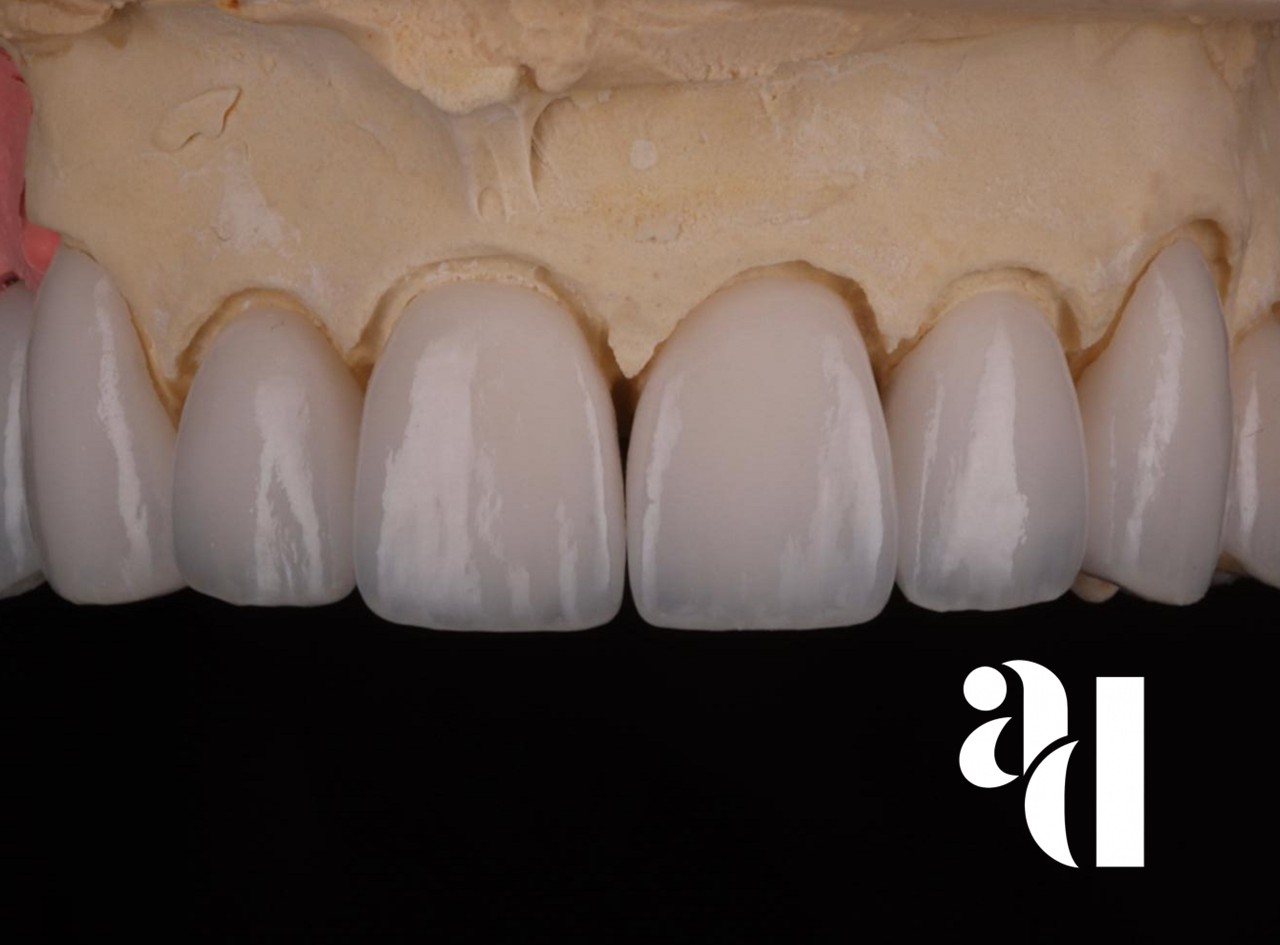
A missing or severely damaged tooth affects how you chew and distributes bite force unevenly across your other teeth. Dental crowns and bridges restore that function, allowing you to eat comfortably without compensating or avoiding certain foods. For patients who have been managing around a problem tooth for a long time, the functional improvement after treatment can be significant.
When a tooth is left damaged and unprotected, or when a gap is left unfilled, the surrounding teeth can drift, tilt, or over-erupt over time. This creates bite problems and can complicate future treatment. A crown stabilises a compromised tooth before it deteriorates further. A bridge prevents the adjacent and opposing teeth from shifting into the space left by a missing tooth.
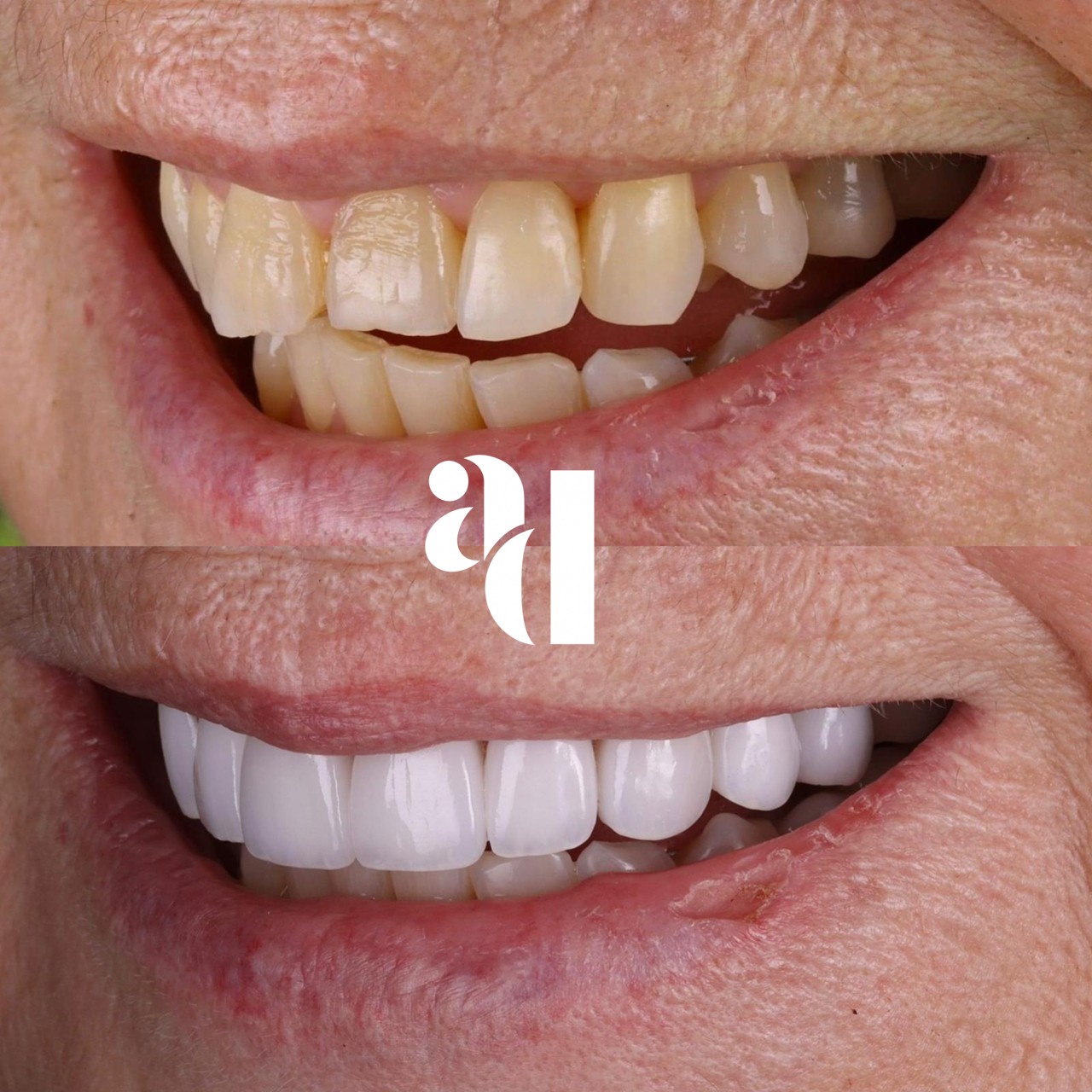
Modern dental prosthetics, particularly full-zirconia and porcelain restorations, are crafted to closely replicate the appearance of natural teeth in colour, translucency, and form. Most patients find that a well-fitted crown or bridge is essentially indistinguishable from the surrounding teeth in everyday life. The aesthetic outcome is part of the planning process from the start.


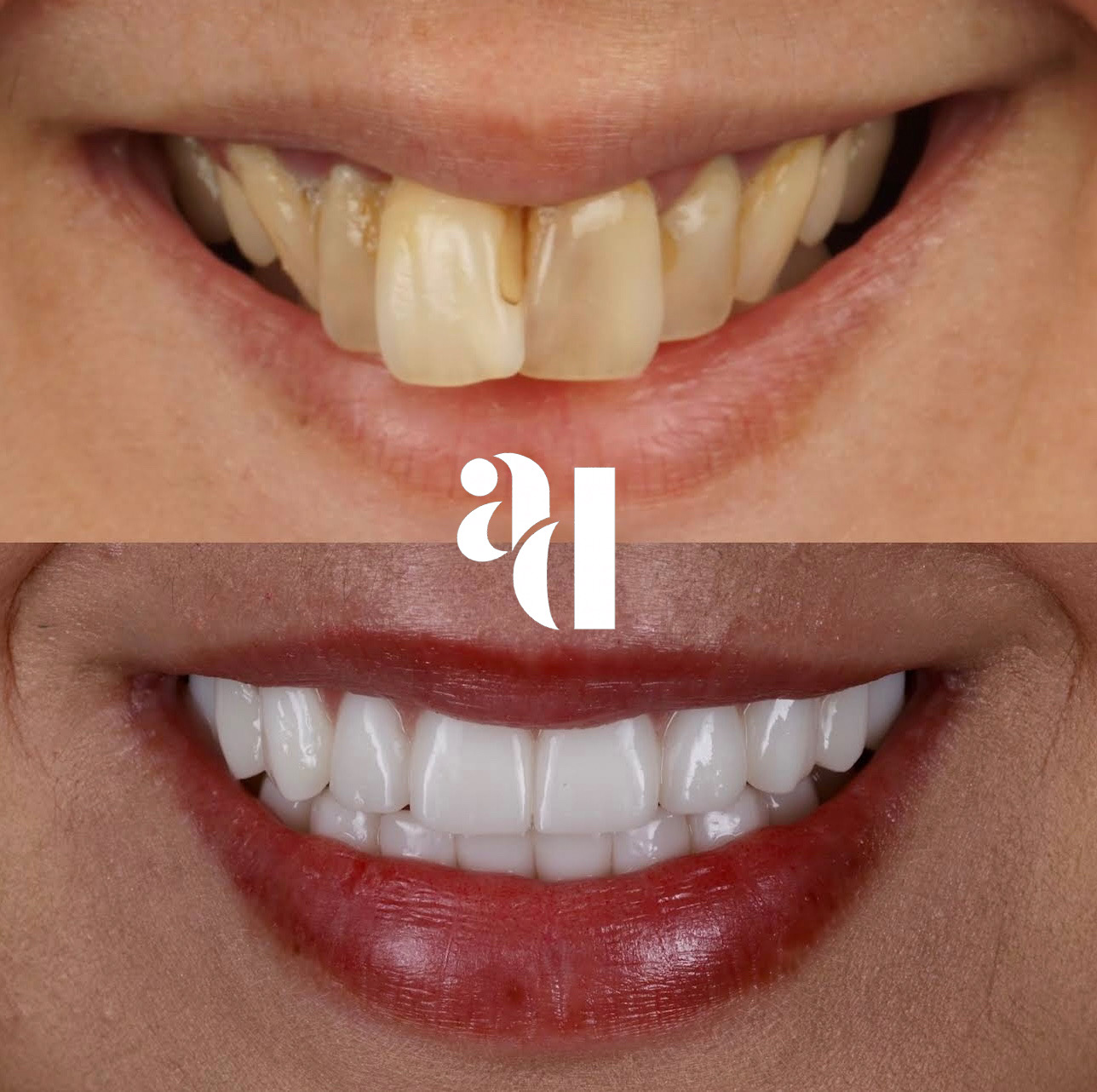
Our 3D CBCT scanning capability gives us a level of diagnostic detail that standard X-rays alone cannot provide. For crown and bridge cases involving compromised root structures, bone levels, or bite assessment, this technology supports more precise treatment planning and better clinical outcomes from the outset.
Every crown and bridge we place is fabricated to our exacting specifications by a trusted dental laboratory. The fit, bite, and aesthetics are assessed thoroughly before any permanent cementation. We do not rush this stage, because a restoration that fits imprecisely or sits incorrectly in the bite creates problems further down the track.
Our team explains every aspect of the crown bridge treatment process before it begins, including the clinical rationale, material options, and full cost. We believe patients make better decisions when they are properly informed, and that a clear, unhurried consultation is the foundation of a good treatment outcome. You will never feel pressured or uncertain about what is being recommended and why.
The tooth preparation stage is carried out under local anaesthesia, so most patients experience minimal discomfort during the procedure itself. Some sensitivity around the prepared tooth is common in the days following the first appointment, particularly to temperature. This is temporary and generally settles on its own. Our team will advise you on what to expect and how to manage any sensitivity during the interim period.
With appropriate care, a dental crown can last ten to fifteen years or longer, and bridges have a comparable lifespan. The longevity of any restoration is influenced by oral hygiene habits, diet, whether the patient grinds their teeth, and how regularly they attend dental check-ups. Patients who maintain good oral care routines and attend for regular monitoring generally get the most from their restorations over time.
A dental crown covers the entire visible surface of the tooth, all the way around and down to the gum line. It is primarily a restorative treatment used when a tooth is structurally compromised. A veneer covers only the front-facing surface of the tooth and is a much thinner restoration. Veneers are generally used for cosmetic purposes on teeth that are otherwise structurally sound. If a tooth has significant decay, cracking, or has undergone root canal treatment, a crown is typically the more appropriate choice over a veneer.
If you have a damaged tooth that needs protecting, a gap that needs filling, or you have been putting off treatment and want a clear picture of your options, our team at Avira Dental in Penrith is ready to help. A thorough consultation is always the first step, and there is no obligation to proceed from there.
No pressure. Completely free. Tailored for your smile.