A tooth pull can be an uncomfortable experience for many. Whether it's to treat a decayed tooth, or a wisdom tooth, it can feel uncomfortable. Which is why, here at Avira Dental we aim to potentially provide you with a comforting experience. We ensure that our process can align with your dental goals and concerns in the long term.
Explore our tooth extraction Penrith process:

A tooth extraction involves the surgical removal of a tooth from the jawbone. Prior to taking this approach, our experts will assess the full scope of the teeth, including decay or disease. Since this solution is often seen as a last resort, our team takes the approach of finding the most suitable plan for the patient.
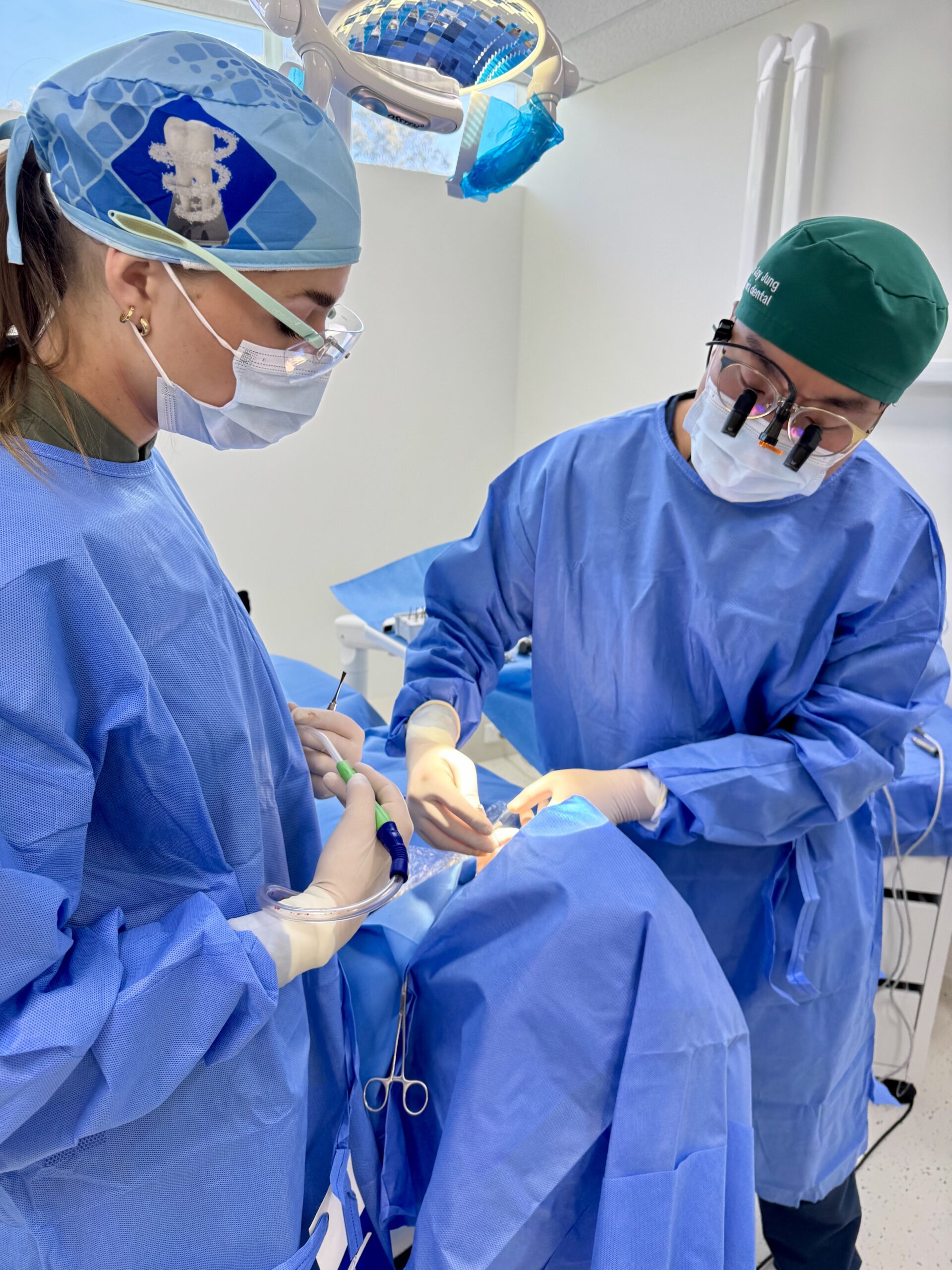
When a patient is considered for a tooth extraction, it's when the tooth can no longer be saved. This ranges from treating persistent pain, injury or even infection. During the consultation stage, the dentist will assess the teeth to determine candidacy.
See the reasons for a tooth to be extracted:
*Please note that the above is a general overview on the tooth extraction process. On the day of consultation, our dentist will assess whether you're the right candidate for the treatment.
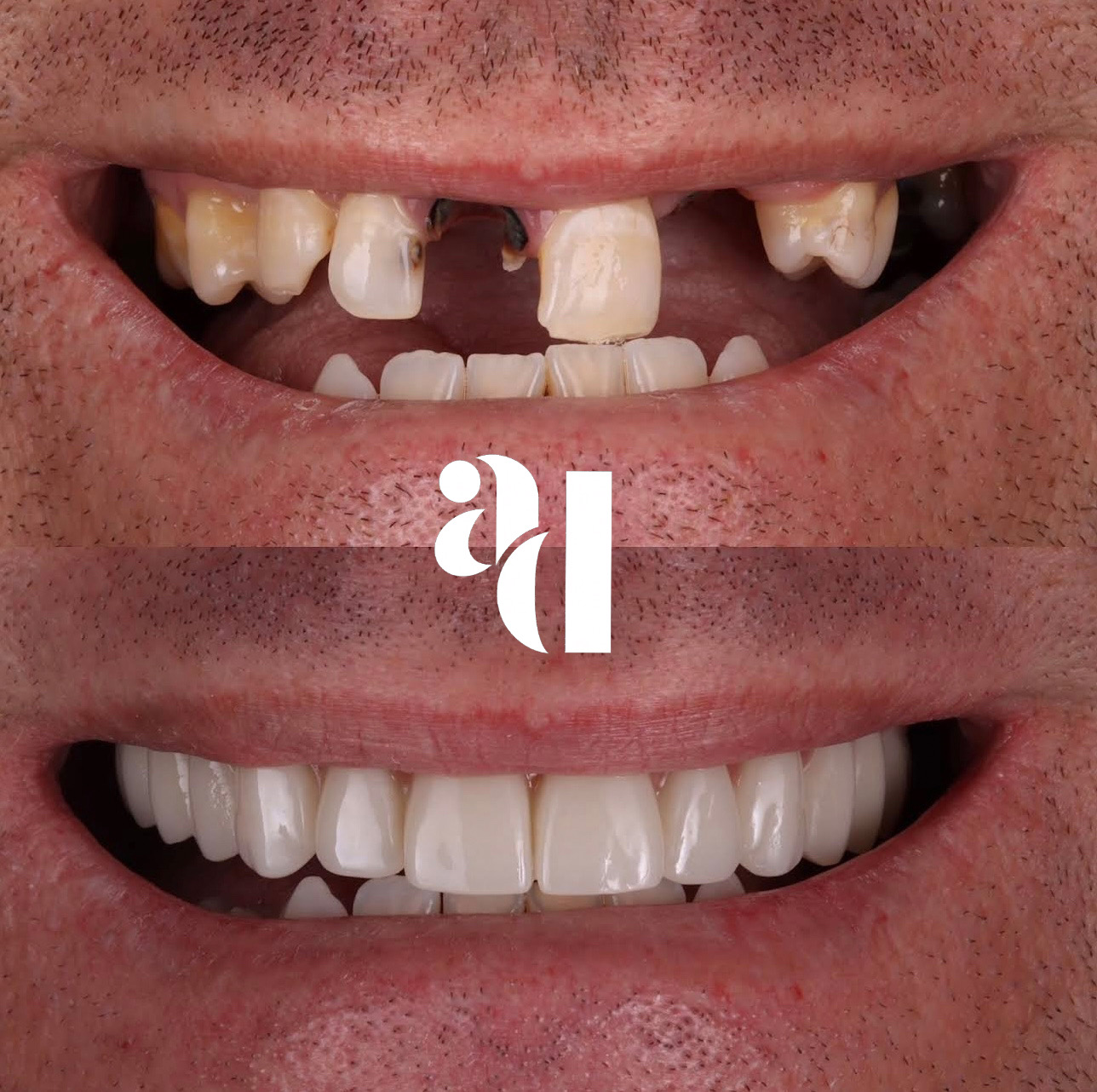
At Avira Dental, we value keeping you completely informed every step of the way. So if you're experiencing a faulty, or damaged tooth, you understand the scope of the treatments available.
See the process step-by-step below:
The Application Method
| Tooth Extraction | When the damaged tooth is carefully extracted from the jawbone, including the tooth and its root. This process involves gentle tooth loosening, and a targeted removal. |
| Root Canal | The careful removal of the pulp and its infection from the tooth's interior to target the tooth's root. This is followed by the tooth being filled, preventing further damage. |
Comfort Post-treatment
| Tooth Extraction | When extracted it can provide fast relief, however the long-term pain during recovery can be challenging. As it takes around 3-4 weeks for full healing, including the gum tissue. |
| Root Canal | The overall healing process for this treatment is under a week for most people. In terms of personal treatment discomfort, this can subside within 1-3 days post-treatment. |
Expected Outcome
| Tooth Extraction | Once the diseased tooth has been removed, the area will be left tender. This is then left to gradually heal over the course of a few months. |
| Root Canal | While the pain initially subsides post-treatment, the tooth will begin to work and function as it would normally in the jawbone. |
Bone Preservation
| Tooth Extraction | Over-time, as the jawbone heals there is a risk of jawbone loss over-time. When there's no professional intervention taken, there could be a 30-60% reduction jawbone reduction. |
| Root Canal | Tooth Extraction: Over-time, as the jawbone heals there is a risk of jawbone loss over-time. When there's no professional intervention taken, there could be a 30-60% reduction jawbone reduction. |
Tooth Viability
| Tooth Extraction | Suitable for when the tooth is too damaged, decayed, or compromised to be saved. This includes severe trauma, advanced gum disease, or cracks extending below the gumline. |
| Root Canal | Only appropriate when enough healthy tooth structure remains and the surrounding bone and gums are stable. This means that extensive decay, damage, or structural damage is unsuitable. |
We understand that a tooth extraction process can be quite challenging. At Avira Dental, we aim to alleviate some of these worries, providing assurance from the beginning to end.
Explore our process step by step:
During our consultation stage, we will provide a full clinical examination of the teeth and bones anatomy. This is done using the advanced x-ray technology of the 3D CBCT scam. It's undergone to assess the extent of damage whether this may be to one or more teeth. Which then allows us to determine the patient's candidacy for an extraction.
*Our comprehensive consultation stage is designed to see whether a complete extraction is the right fit for you. Our dentist will explore all options prior to opting for a complete tooth removal.
To help provide more procedure comfort, our dentists will work with you carefully to prepare the area with care. Depending on the patient's needs, we will administer either anesthesia, oral sedation or IV sedation for pain-relief purposes. Our dentist will discuss these options with you the day of treatment.
Depending on the level of decay or damage to the tooth, the teeth extracting process is different in each case. Once our dentist has determined the right steps, this is when the process, tools and technology are then identified. To extract the tooth, this is first loosened by an elevator tool-(a kind of dental instrument).
In more complex dental cases, an incision is made to the gums which allows for further access to the teeth before extraction.
Post-tooth extraction, this is when blood clots begin to form in the socket to act as a protective mechanism. To assist in this process, a gauze will be placed over the socket. By doing so, it actively manages the bleeding site, aiding the blood clots in its formation process. The gauze is essential for this in the hours after the procedure until the bleeding subsides.
Post-procedure, patients are likely to experience both increased gum and jaw sensitivity. At Avira Dental, we'll provide tailored dental maintenance care and advice. We aim towards taking the time to discuss this with you, and addressing any questions or concerns raised. Our team will also schedule you in for your next check-up.
*Please note that the above is a general overview of our tooth extraction process in Penrith. On the day of service, this process may be adjusted by our dental professionals accordingly. Along with this, tooth replacement options may also be discussed during treatment.
Post extraction process, the 24 to 72 hours of healing are essential for recovery. That's precisely why it's important to be aware of, and follow the right dental aftercare steps.
The First 24 Hours
The First 72 Hours
Ongoing Dental Care (Post 72 hours)
When a tooth is infected or damaged, the discomfort caused can be a major disturbance to the inside of the mouth. When the tooth is extracted, this then provides immediate relief to teeth and the overall dental structure.
When a tooth is decayed, diseased or compromised, this can quickly escalate and then spread to the surrounding teeth. This then, as a result, puts the entirety of the dental structure at risk. Once the bacteria, crowding, or decay causes long-term damage, this puts more teeth at risk.
The root of the dental concern has been managed, causing there to be room for potential dental treatments in future. At Avira Dental, we'll discuss your options with you in detail, including dental implants, bridges or dentures.
Before we begin the dental extraction, we will disclose both short term and long term potential side effects of this treatment.
See some of these risks below:
*Are you currently experiencing persistent pain after a tooth extraction? Get in touch with our team at Avira Dental as soon as possible to address this fast.


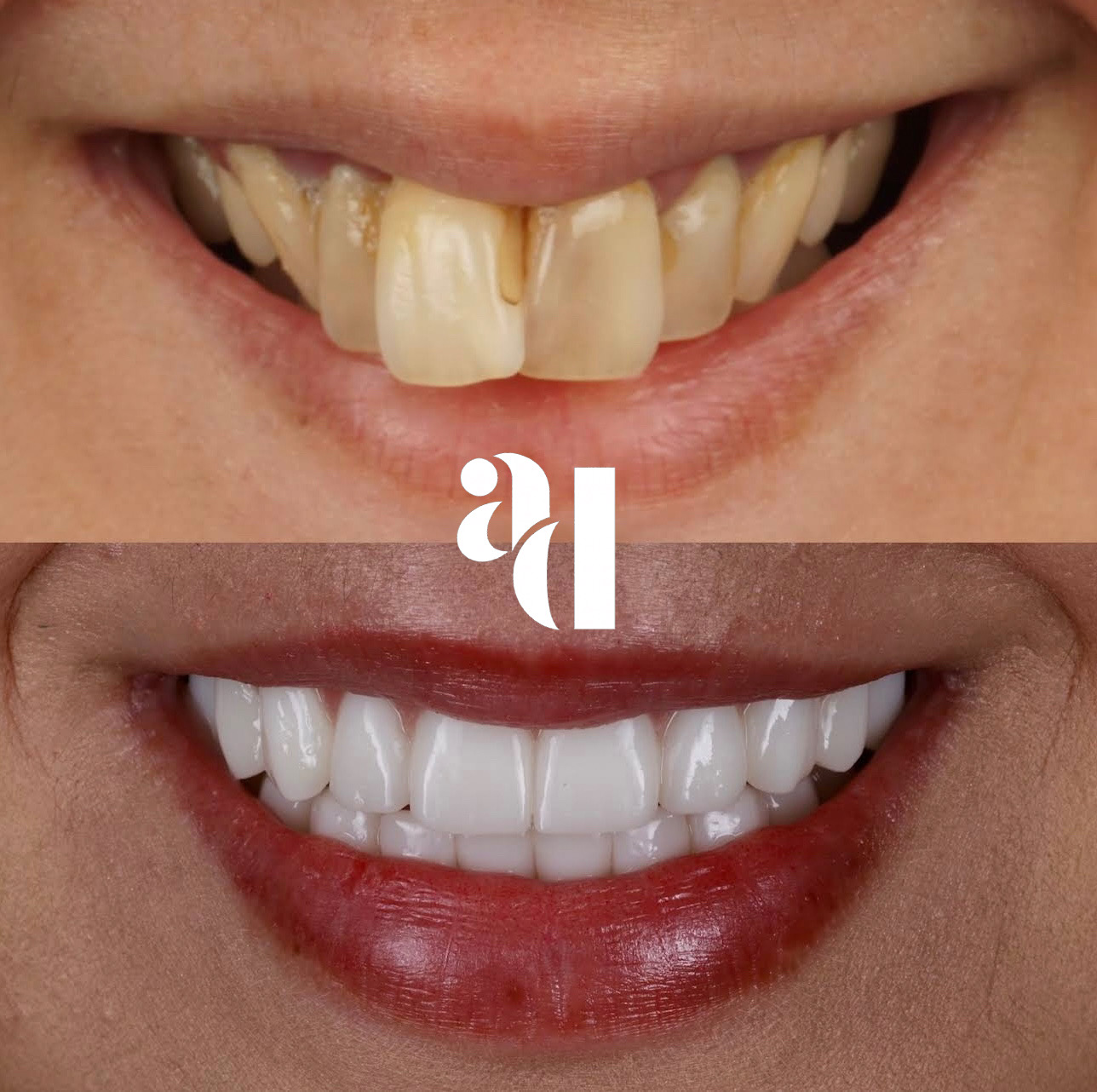
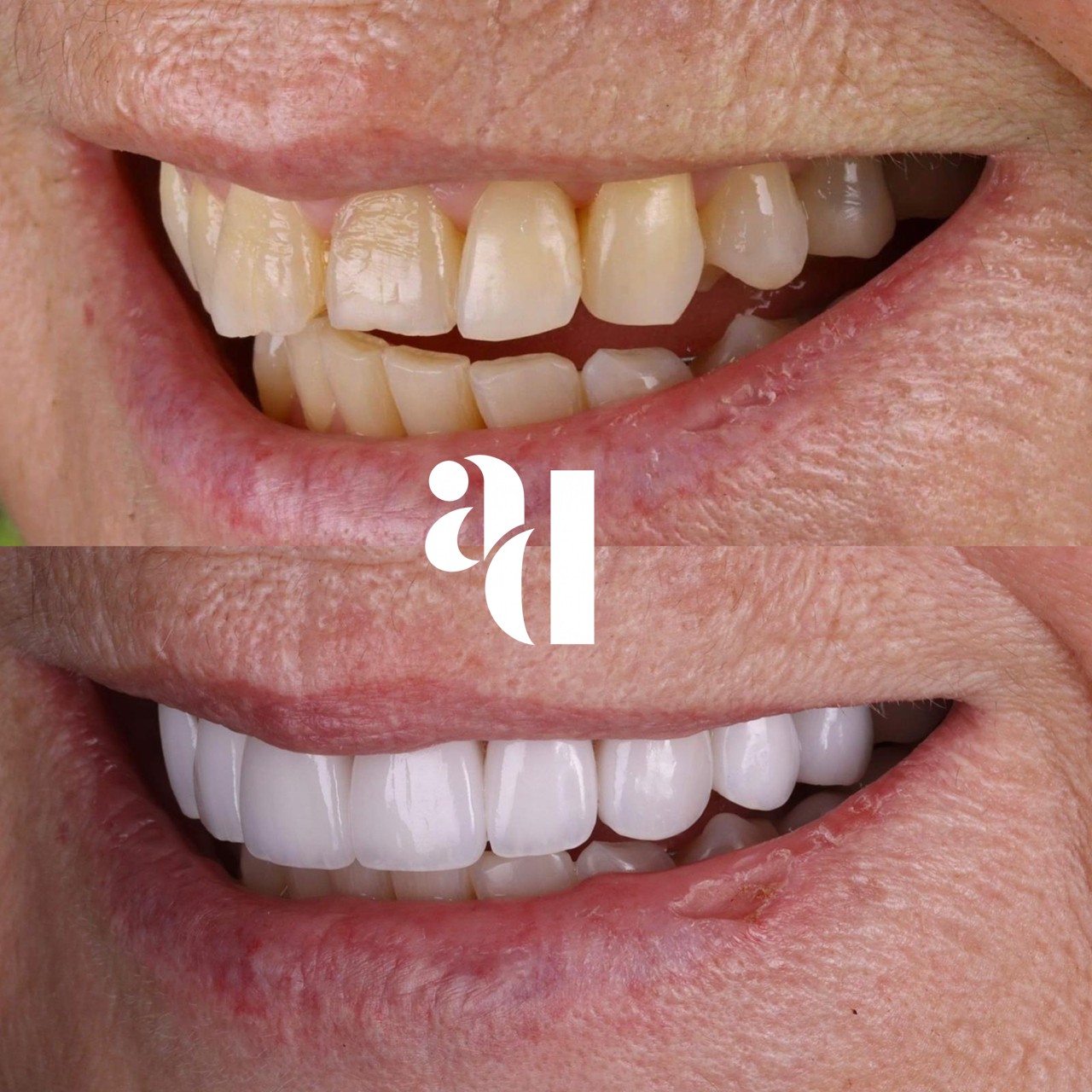
At Avira Dental, we've successfully performed over 3000 dental procedures Penrith-wide. From routine simple extractions, to complex removals, we take a tailored approach to all dental cases.
By assessing both dental and bone anatomy, the 3D CBCT scanner helps our team to understand whether you're eligible. This is because it provides a clearer, more accurate insight into the dental structure.
At the beginning of every service, we aim to recognise your unique dental concerns and to find the right approach. When a tooth extraction feels like a daunting experience, we look to guide you through it.
Your gum usually closes over within 1–2 weeks, but full bone healing takes 3–6 months. The area can still support an implant during this time. We'll check your progress at any follow-up visits.
Stick to soft foods for the first few days. This includes yoghurt, mashed potato, scrambled eggs, lukewarm soup, smoothies (no straw), and soft fruit work well. Slowly add firmer foods back in as you feel comfortable, and chew on the opposite side of the extraction.
For the first 24–48 hours, avoid straws, smoking, alcohol, hot drinks, and vigorous rinsing or spitting. These can dislodge the blood clot and lead to a painful condition called dry socket. Also skip strenuous exercise for a day or two to help the area heal properly.
In the case where your tooth is severely decayed, damaged, or compromised, our team at Avira Dental is here to help. We are committed to guiding you along your journey to dental wellbeing. When seeing a dentist can feel tricky, our friendly team is here to help.
No pressure. Completely free. Tailored for your smile.